


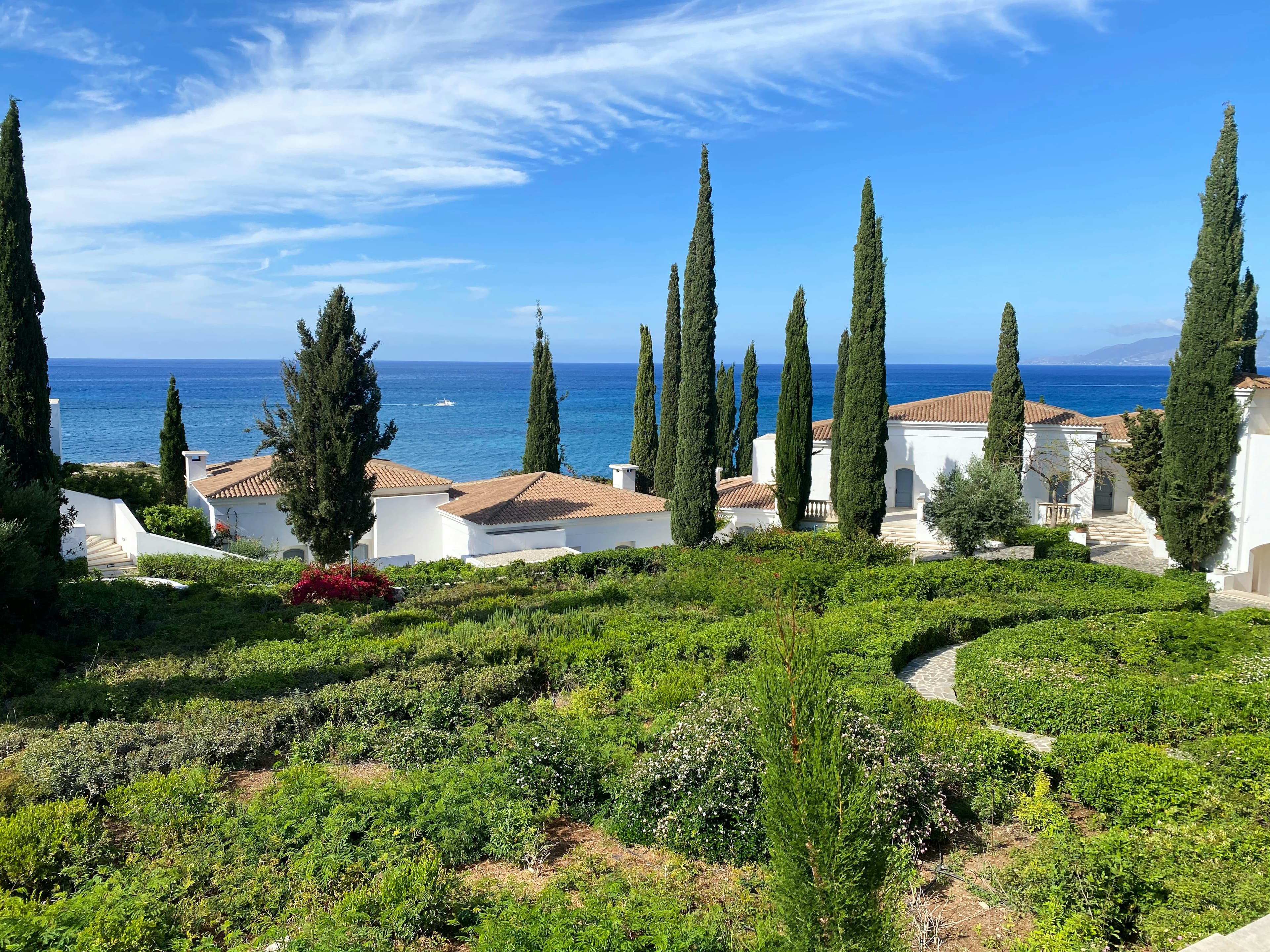
Paphos is home to me — but my belief in it goes far beyond sentiment.
Paphos is home to me. I was born here, I live here, and naturally that creates a personal connection with the city.
But my belief in Paphos goes beyond sentiment.
Over the years, I have watched the city evolve. I have seen new investment arrive, infrastructure improve and an increasingly international community choose Paphos not simply as a place to visit, but as a place to live, raise a family and invest.
That distinction is important. For many years, Paphos was primarily viewed internationally as a tourism and holiday-home destination. Today, I believe something broader is happening. Paphos is becoming a place where people can build their lives.
A City Built Around Quality of Life
If I had to identify the greatest strength of Paphos, it would be quality of life.
The city has a combination that is increasingly difficult to find. It offers the Mediterranean lifestyle, the sea and the natural environment, but at the same time it remains manageable as a city. Distances are relatively short, families can move around easily, children can grow up in a safe environment, and there is access to good educational infrastructure. There is also an established business environment providing employment and professional opportunities.
For families in particular, I believe this combination is extremely powerful. People today are not choosing where to live based only on where they can find a house or a job. They are looking at the complete environment around them.
Where will their children grow up? What schools are available? How safe will they feel? How much of their day will they spend travelling? What kind of lifestyle can they have outside work?
Paphos answers many of these questions very well. And when you combine that with its cultural identity, coastline, natural environment and comparatively competitive cost of living within Europe, you begin to understand why more international families are looking at the city differently.
Paphos Is Changing
The Paphos of today is very different from the Paphos of twenty years ago.
International investment and capital have played an important role in that transformation, but so have improvements within the city itself. The regeneration of the old town and traditional market area changed the character of the centre. New commercial infrastructure has followed. International schools have expanded the educational options available to families. The establishment of the American University of Beirut in Paphos is another important development.
These changes matter individually, but I think their combined effect matters even more. They change how a city is perceived. A place that may once have been considered mainly for holidays or retirement can gradually become a serious option for education, business, family life and permanent relocation.
That creates a different type of demand and, in my view, a stronger foundation for the long-term property market.
Growth Creates Responsibility
I am optimistic about the future of Paphos, but optimism should not mean ignoring the challenges.
Growth creates pressure. More residents mean more cars, greater demand for housing and services, increased pressure on infrastructure and a greater responsibility to plan ahead.
One of the most important challenges for Paphos will be completing and improving the wider road network, so that traffic pressure can be reduced in the centre and accessibility to surrounding areas can improve. Better connections can also make new areas more attractive for residential development, helping the city expand in a more balanced way.
Parking in the centre remains another challenge. But I don't believe the long-term answer can simply be to create more places for cars. Public transport needs to improve, and at the same time we need to develop a culture in which people are more willing to use it.
We should also pay greater attention to older buildings and the regeneration of parts of the existing urban environment. And as an international tourism destination, Paphos should continue upgrading its tourism product, including attracting high-quality luxury hospitality developments.
But perhaps the most important challenge is less tangible. It is protecting the identity of Paphos. The city has a history, culture and character that helped it become European Capital of Culture. As development accelerates, we should be careful not to lose the qualities that made people want to come here in the first place.
The challenge for Paphos is not whether it can grow. It is whether it can grow while preserving what makes it special.
The Investment Case Is Changing Too
The same changes are influencing the property market.
Demand has become increasingly international, while the supply of well-located land and quality property is naturally limited. Over time, I believe that imbalance supports the long-term value of good real estate in Paphos.
But when I speak about property as an investment, I don't look only at price appreciation. A property has to serve a purpose. It may be a family's permanent home. It may be a second residence. It may form part of a long-term investment strategy or be used within the tourism market. In each case, location, quality and the environment surrounding the property will ultimately determine how well that investment performs.
That is why I believe buying the right property in Paphos today can represent a sound long-term decision. Not simply because prices have been rising, but because the fundamentals supporting demand for the city itself are becoming stronger.
The Next Ten Years Will Matter
I believe the coming decade will be particularly important for Paphos.
If we continue investing in the right infrastructure and manage growth carefully, the city can establish itself even more strongly as one of the Mediterranean's most attractive destinations for families, international residents and visitors. But we should prepare for that success rather than react to it afterwards.
Population growth needs planning. Infrastructure needs to anticipate demand. Transport, schools, housing, tourism and the urban environment all need to evolve alongside the population.
Development should therefore not simply be about building more. It should be about making the city better.
Our Role in the Future of Paphos
At Olias Homes, we want to contribute to that future through the developments we create. Our focus has always been on quality and design.
As Paphos grows, I believe developers have a responsibility to think beyond the boundaries of an individual plot. Every significant development becomes part of the city. It affects its surroundings, its architecture and ultimately the experience of the people who live there.
Our ambition is therefore not simply to add more buildings to Paphos. We want to create distinctive developments that contribute positively to their locations — projects with the quality and architectural character to become recognised landmarks within the region.
Because if we believe in the future of Paphos, we also have a responsibility to contribute to that future properly.
I believe in Paphos because it offers something increasingly valuable: the ability to combine modern European living with the character, culture and quality of life of the Mediterranean. It is already a very different city from the one I knew twenty years ago. And I believe its most important chapter is still ahead.