


Getting Around Cyprus
Transport & Daily Life
How to get around Cyprus, and what daily life looks like for new property owners.
Paphos and Larnaca keep the island easily reachable.
Well-connected by road; driving is the primary means of transport.
Most essentials are within easy reach in the main residential areas.
Getting around
Cyprus is well-connected by road, with driving the primary means of transport for most residents. Two international airports — Paphos and Larnaca — keep the island easily reachable.

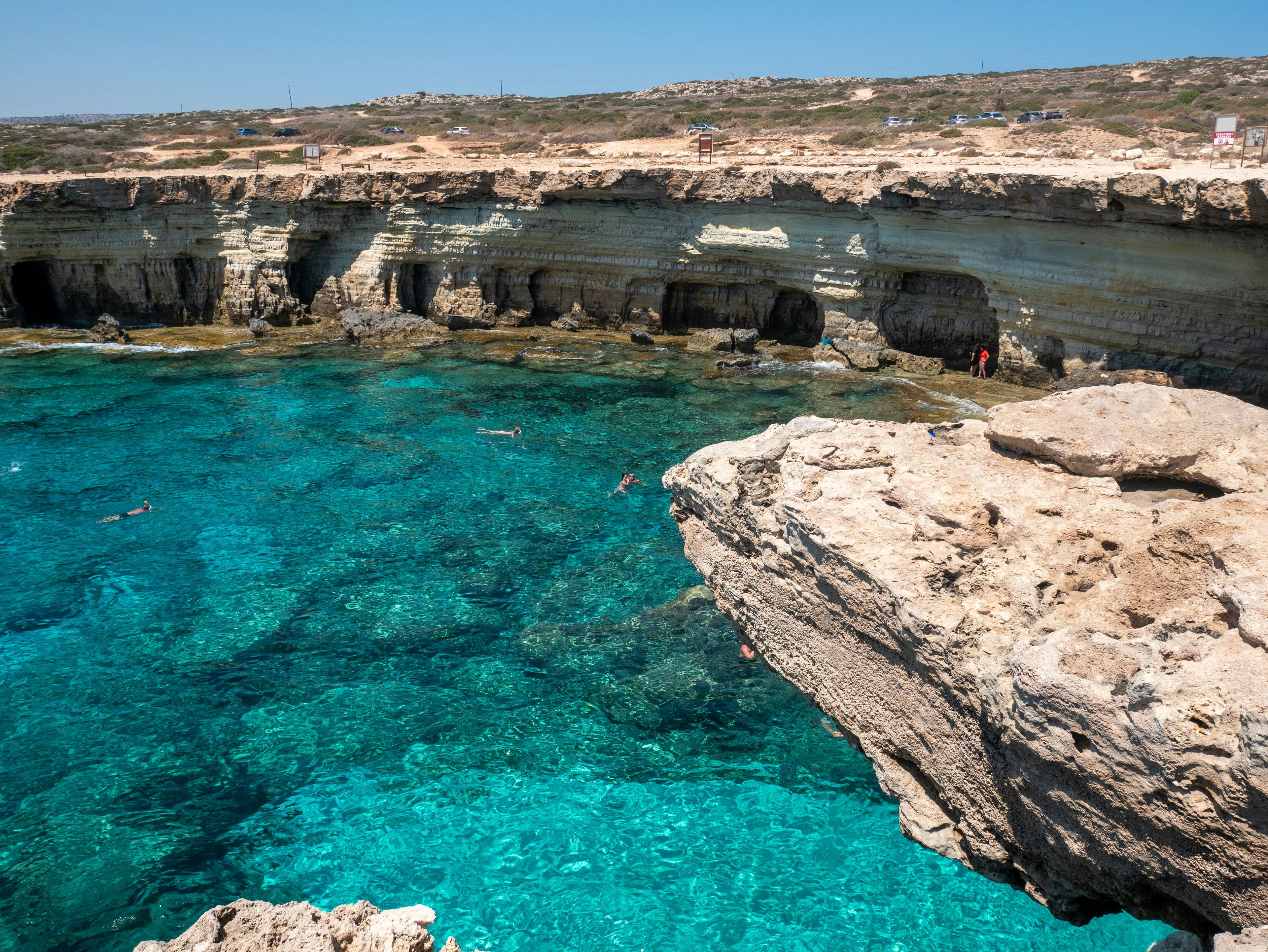
Everyday life
For new property owners, daily life is shaped by proximity to coast, amenities and community. Most essentials are within easy reach in the main residential areas.
Getting Around Cyprus — Your Questions Answered
For most residents, yes — driving is the primary means of getting around, though main areas keep essentials close.
Two international airports (Paphos and Larnaca) and a good road network keep the island easily reachable.
Getting Around Cyprus
A car is highly recommended, particularly if you plan to live outside the main city centres or wish to explore the island. While public transport is available, private vehicles offer greater convenience and flexibility for daily life.
Source: Deputy Ministry of Tourism; Department of Road Transport
Cyprus has an extensive bus network connecting major cities, towns and many villages. Public transport continues to improve, although it is generally less comprehensive than in many larger European countries.
Source: Department of Road Transport; Cyprus Public Transport
Cyprus has a modern road network that makes travelling between major cities and tourist destinations straightforward. Most journeys can be completed within a few hours by car.
Source: Department of Road Transport; Deputy Ministry of Tourism
Cyprus is served by two international airports: Larnaca International Airport and Paphos International Airport. Both offer year-round and seasonal flights to numerous destinations across Europe, the Middle East and beyond.
Source: Hermes Airports; Deputy Ministry of Tourism
In many cases, yes. The rules depend on your country of licence issuance and your residency status. Eligible foreign licences may be used or exchanged in accordance with Cyprus legislation.
Source: Department of Road Transport
Yes. Cyprus has well-maintained roads, clear road signage in both Greek and English, and relatively light traffic outside peak hours. Drivers should remember that vehicles drive on the left-hand side of the road.
Source: Department of Road Transport; Cyprus Police
Yes. The number of electric vehicle charging stations has grown significantly in recent years, with charging points available in major cities, shopping centres, hotels, public car parks and along key road networks. The infrastructure continues to expand across the island.
Source: Cyprus Energy Regulatory Authority (CERA); Electricity Authority of Cyprus (EAC)
Discover the benefits of owning property in Cyprus

Cyprus Tax Benefits
Cyprus offers one of the most attractive tax regimes in Europe, with significant benefits for property investors and residents.